
How to Actually Change Your Habits (Using Behavioural Design That Works)
I’ve been spending a lot of time recently looking into behavioural change research, and one thing keeps standing out.
Change isn’t random; it follows patterns.
Certain conditions make change more likely, and when those conditions are present, behaviours start to shift almost naturally. From what I’ve been learning and observing, the key elements tend to include safety, specificity, social proof, visible progress, and identity. Add a small reward into the mix, and the system becomes even stronger. It sounds structured in theory, but it becomes far more interesting when you try to apply it in real life.
Where Change Actually Starts
Before any framework or tactic works, there is a quieter starting point; you have to be open to change. It sounds obvious, but it’s often overlooked. Without that internal shift, nothing really sticks. You can have the best system in the world, but if you’re not ready to move, the behaviour won’t follow. From personal experience, that openness is the real first step, without it, everything else becomes surface-level effort.

Applying Behavioural Design in Real Life
I wanted to test this idea practically, so I chose something simple.
I wanted to read more and spend less time on my phone.
Like most people, I had tried before. It usually lasted a few days before slipping back into old habits. This time, I approached it differently. I built the behaviour around the conditions that support change.
1. Creating a Safe Environment
The first step was removing friction. For me, that meant finding a space where distractions were naturally limited. Interestingly, that place became the gym. It sounds counterintuitive, but being on a walking machine or elliptical created a contained environment. I couldn’t easily move around, and the setting already had a sense of routine and focus.
The environment did part of the work for me.
2. Adding Specificity
Vague goals rarely stick. “Read more” is too open and leaves room for negotiation, so I made it specific.
Whenever I was on the walking machine or elliptical, I would read instead of using my phone or listening to something.
It became a rule, not a suggestion. That small shift removed decision-making. I didn’t have to think about whether I felt like reading. It was simply what I did in that moment.
3. Noticing Social Proof
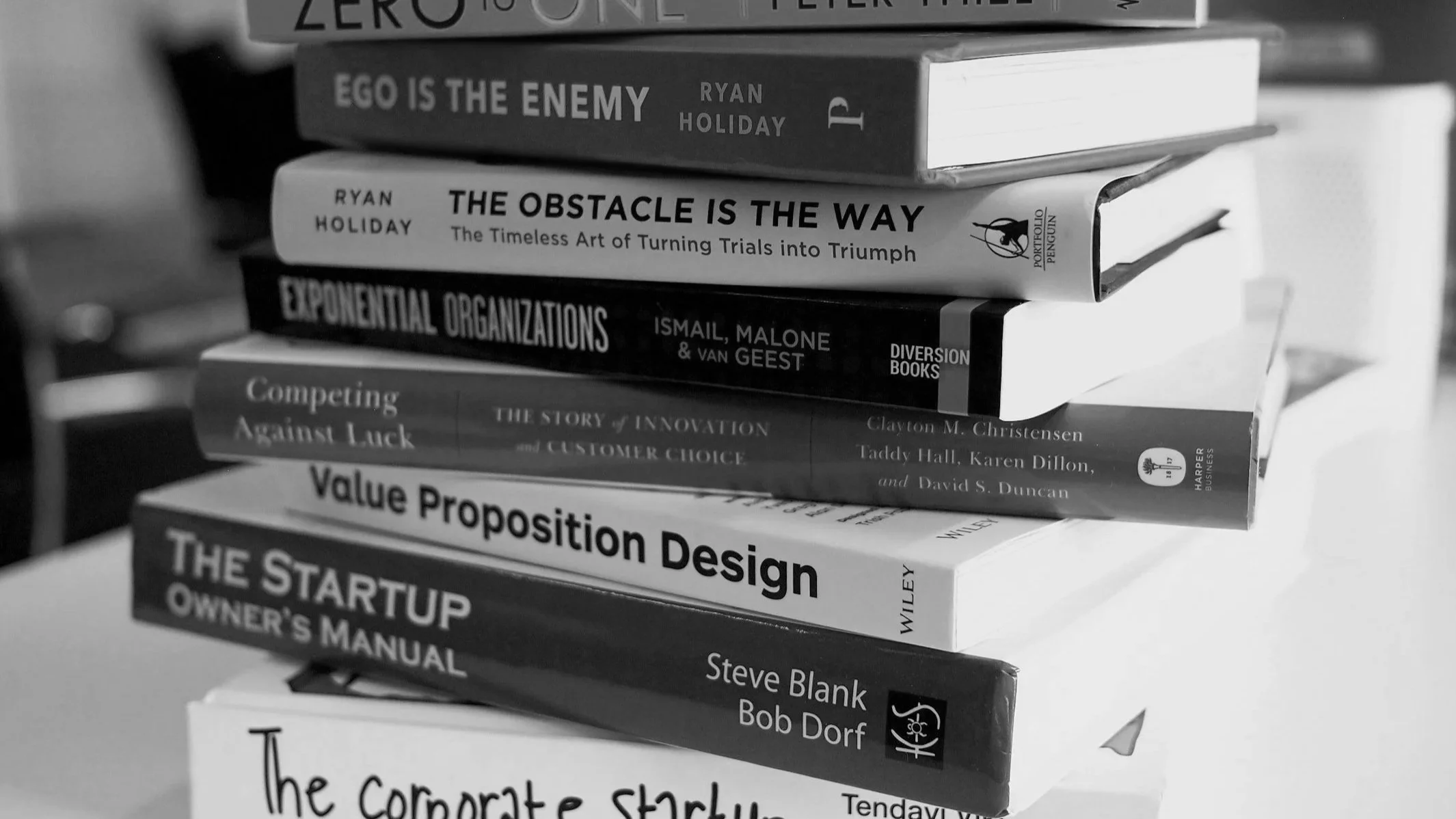
Something unexpected happened. I started noticing other people reading. Not many, but enough to shift my perception. It created a quiet sense that this behaviour was normal. That it was something people like me could do. Social proof doesn’t need to be loud to be effective; it’s just a subtle signal that reinforces possibility.
4. Seeing Visible Progress
This is where things started to change quickly. I began reading more than I expected. What used to take a month, I was now finishing in a week. That visible progress created momentum. It wasn’t just about reading anymore; it became proof that the system was working. And once you see progress, it becomes easier to continue.
5. Letting It Shape Identity
Over time, something shifted. It stopped feeling like a task and started feeling like part of who I am. I became someone who reads while walking at the gym. That identity made the behaviour easier to maintain. I wasn’t forcing it anymore. I was reinforcing it, and this is where behavioural change becomes sustainable.

Why This Works
When you step back, the pattern becomes clear.
The behaviour wasn’t driven by motivation alone but was supported by a structure.
The environment reduced distraction
The rule removed decision fatigue
Social proof reinforced the behaviour
Progress created momentum
Identity made it stick
Each part played a role.
What This Means Beyond Personal Habits
This doesn’t just apply to individuals. For designers, businesses, and communities, the same principles exist.
If you want people to take action, whether that’s joining a gym, attending a class, or engaging with a brand, you need to create the right conditions.
Make the environment feel safe and easy to enter
Be specific about what action to take
Show that others are already doing it
Make progress visible
Help people see themselves in the behaviour
Behaviour doesn’t change because people are told to change. It changes because the system around them supports it.
A Simple Reflection
For months now, this has become my normal. Not because I forced it every day, but because the structure made it easier to continue than to stop, and maybe that’s the real shift.
Change doesn’t come from pushing harder. It comes from designing better conditions.
