
Designing Community Back In
How Business and Design Shape Human Connection
I’ve always felt a little out of my time.
While other kids were at parties, playing weekend sports, or glued to video games, I spent much of my childhood at a dojo. I helped my dad at the reception, took photos and videos of classes, and watched him quietly build a strong, loyal community. People knew each other’s names, parents talked, and kids felt seen.
At the time, I didn’t realise how rare that environment would become.
Coming back years later, after studying design and living through rapid technological change, the difference is stark. Communities that once formed naturally now need to be intentionally designed. And in many cases, they aren’t.
This isn’t nostalgia. It’s a design problem.
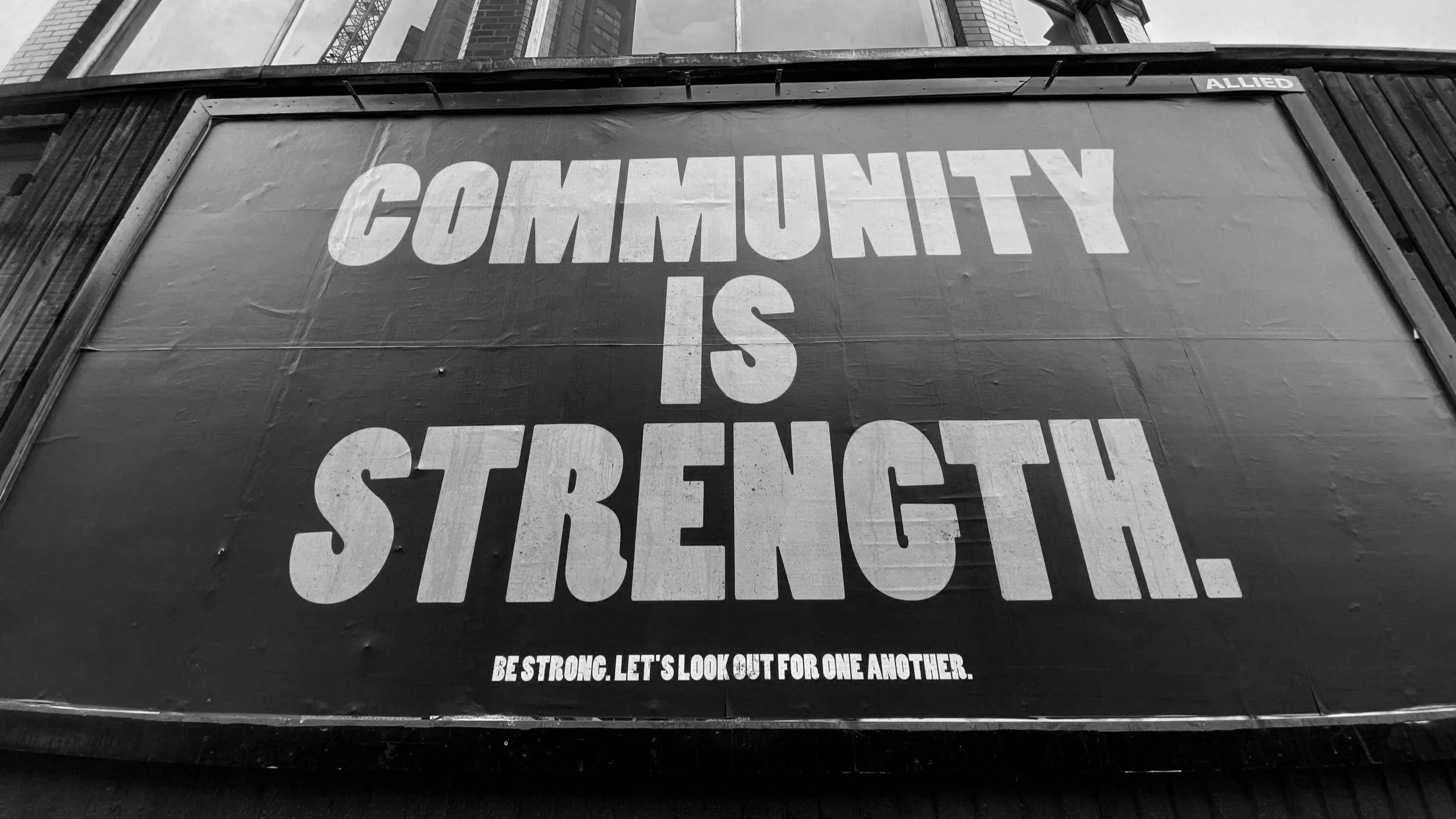
When Design Quietly Changed Community Behaviour
I was recently listening to “What Now? with Trevor Noah” (one of my many favourites), discussing how something as simple as home swimming pools shifted social behaviour. Pools used to be public, kids gathered, families interacted, and communities overlapped.
Then the design changed.
Pools moved into backyards, and the connection fractured, one design decision and a completely different social outcome.
The same thing has happened with technology.
Spaces that once encouraged conversation now default to isolation. Parents sit in cars scrolling while their children train, cafes are quieter, but not calmer and waiting rooms are full of people but empty of interaction.
What was once organic now has to be designed back in.
The Cost of Disconnection (and Why Businesses Should Care)
This isn’t just a social issue. It’s a business one.
Research consistently shows that:
Social connection improves mental health, retention and long-term commitment
Communities drive loyalty more than discounts or convenience
People stay where they feel recognised, not just served
Yet many businesses unintentionally design against connection.
When environments prioritise efficiency over interaction, people disengage. They show up, consume, and leave. No attachment, no belonging and no reason to return beyond habit.
That’s a missed opportunity.
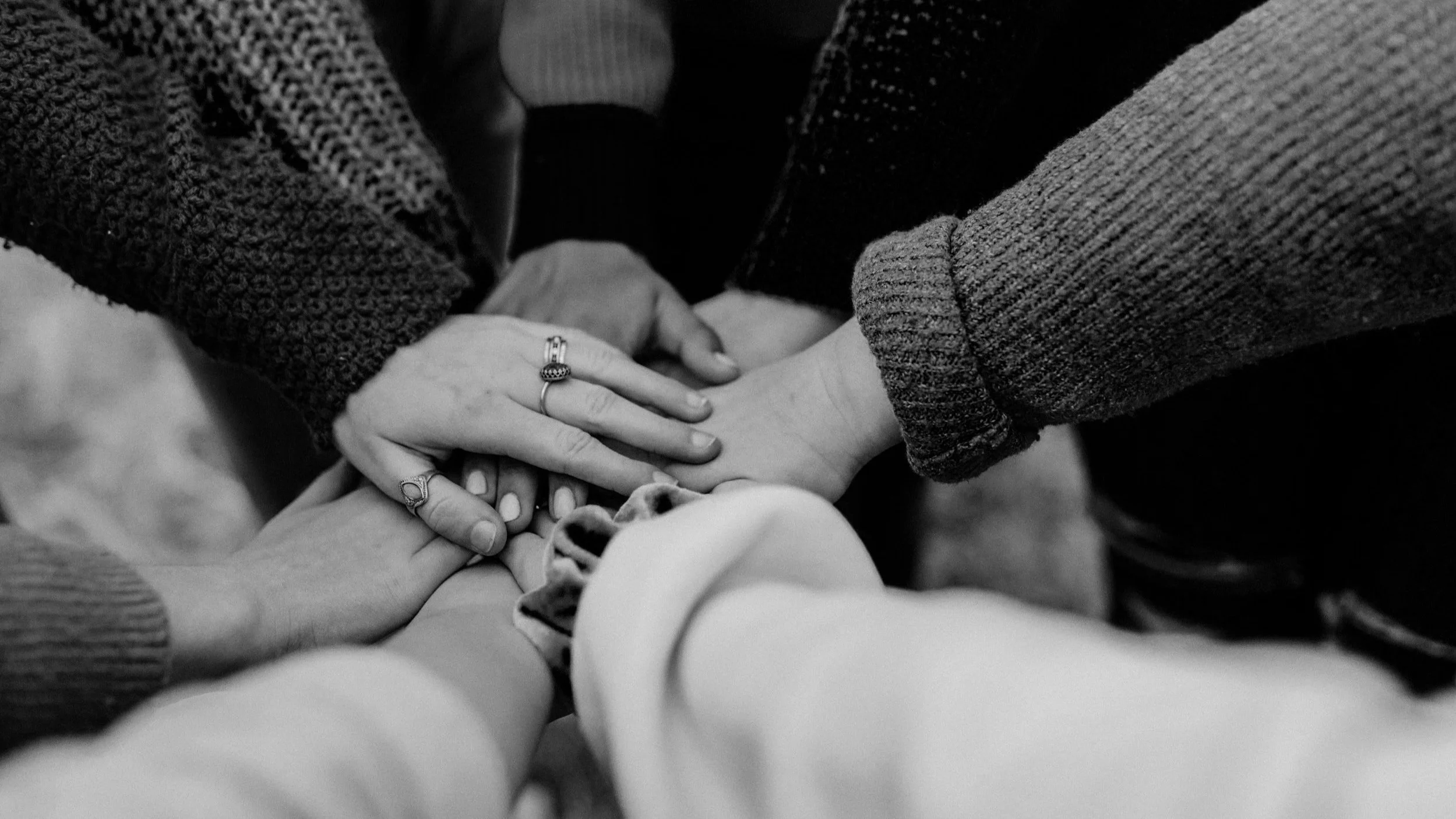
Design as a Tool for Reconnection
Good design doesn’t just make things look nice, it shapes behaviour. Here’s where businesses, designers and community leaders can act intentionally.
1. Design for Presence, Not Just Flow
If a space only supports “drop-off and leave,” that’s exactly what people will do.
Practical shifts:
Create seating that invites staying, not waiting
Remove physical barriers between people
Design spaces where eye contact feels natural
In the dojo context, allowing parents space to sit and watch changes everything; it creates shared moments and signals that presence matters.
2. Use Rituals to Replace Passive Habits
Phones fill gaps when there’s nothing else to do.
Borrow from environments that already work:
Cinemas encourage silence and attention
Workshops encourage participation
Community events encourage interaction
Simple ideas:
“Phones off” sessions framed as respect, not restriction
Parent watch days
End-of-term community events
Shared milestones rather than silent drop-offs
Designing rituals gives people permission to disconnect from devices and reconnect with each other.
3. Program for Connection, Not Just Service
Connection rarely happens by accident anymore.
Examples across industries:
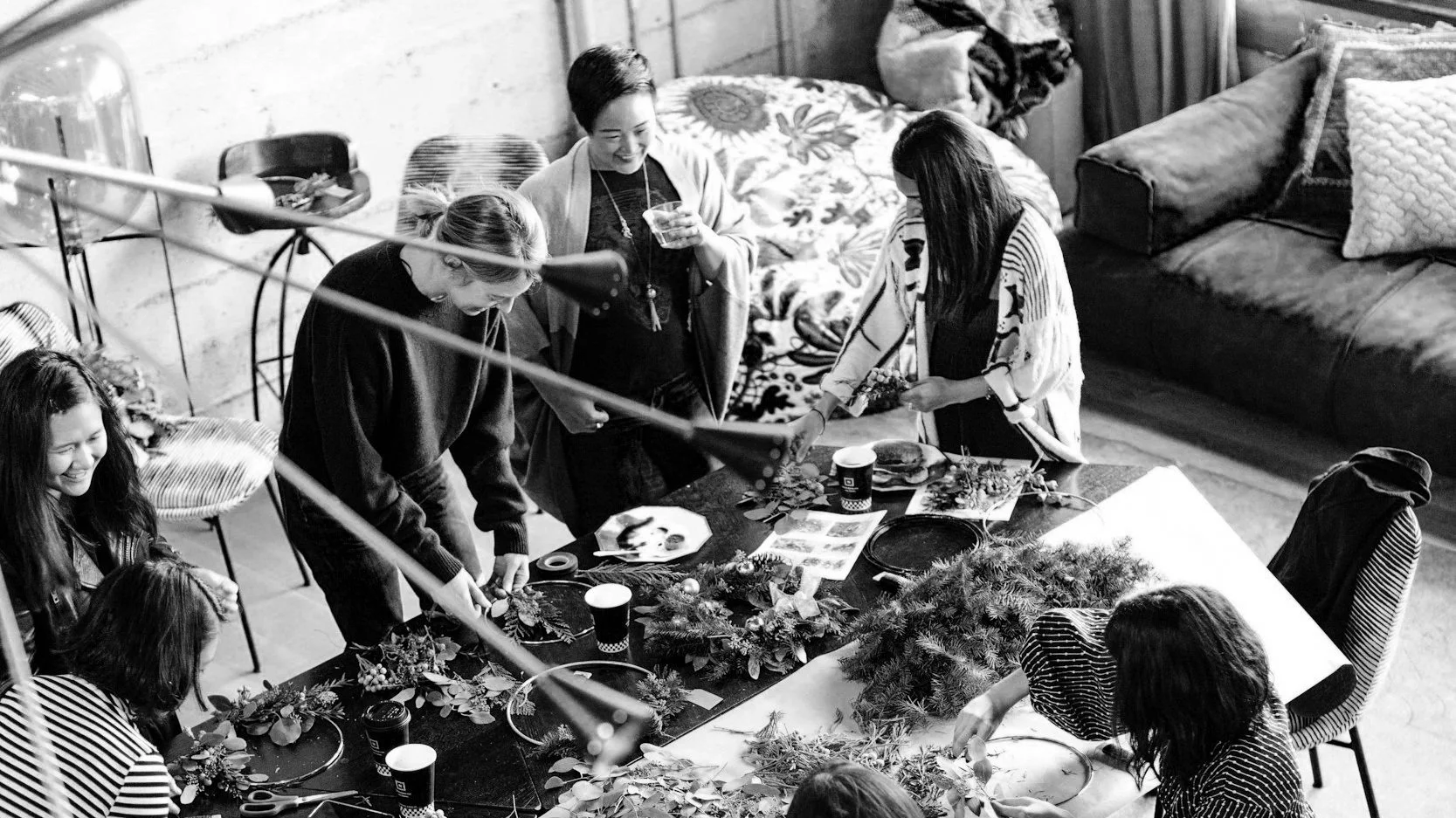
Cafes hosting local meet-ups or skill swaps
Studios hosting open days, talks or shared experiences
Staff trained to gently connect people rather than rush transactions
This isn’t forced networking. It’s quiet facilitation.
4. Brand What You Value
If community matters, it needs to show up consistently.
That means:
Visual language that feels human, not transactional
Messaging that highlights people, not just offers
Content that celebrates participation, not performance
When brand systems reflect belonging, people behave differently within them.
Why This Matters More Than Ever
We’ve designed convenience brilliantly, but we’ve under-designed the connection.
Technology isn’t the enemy…poorly considered design is
Businesses that thrive in the long term will be the ones that recognise this shift and respond with intention. The ones that create environments where people feel welcome, seen and valued, not just processed.
Because in a world of infinite digital noise, human connection is the real differentiator.
And sometimes, it starts with something as small as inviting someone to sit down, look up, and stay a while.
References
Holt-Lunstad, J., Smith, T. B., & Layton, J. B. (2010). Social relationships and mortality risk: A meta-analytic review. PLoS Medicine, 7(7), e1000316. https://doi.org/10.1371/journal.pmed.1000316
Putnam, R. D. (2000). Bowling alone: The collapse and revival of American community. Simon & Schuster.
Oldenburg, R. (1999). The great good place: Cafés, coffee shops, bookstores, bars, hair salons, and other hangouts at the heart of a community. Marlowe & Company.
Turkle, S. (2015). Reclaiming conversation: The power of talk in a digital age. Penguin Press.
Mehta, V. (2014). Evaluating public space. Journal of Urban Design, 19(1), 53–88. https://doi.org/10.1080/13574809.2013.854698
